
Environment
Introduction
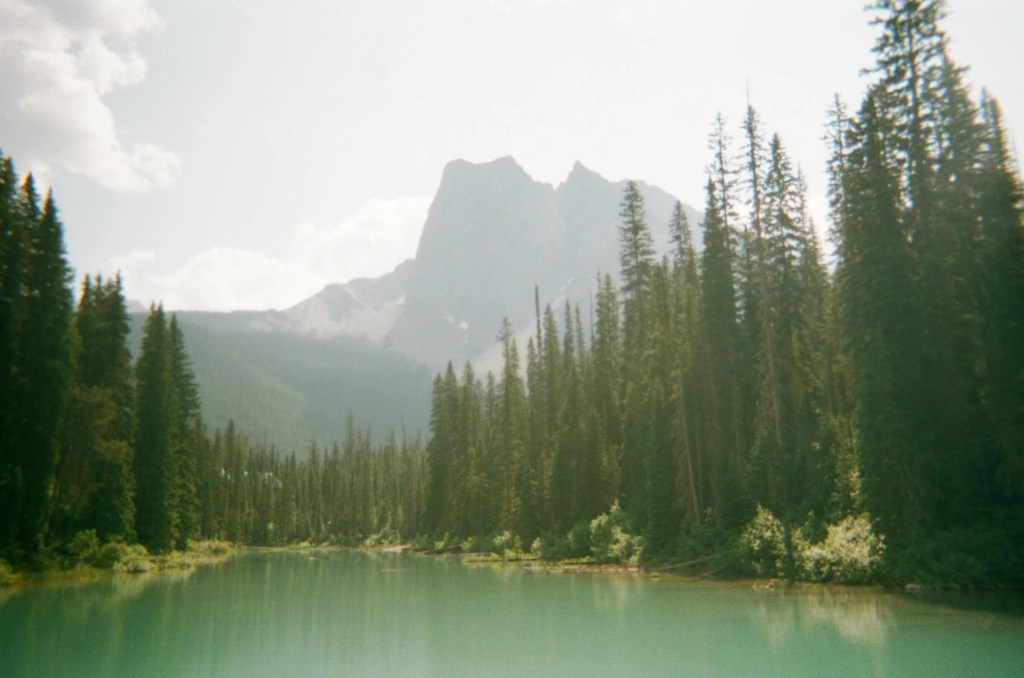
Nature is a delicate system, a finely tuned balance between ecosystems, biodiversity, and human influence. The image above captures the serene beauty of an alpine lake surrounded by towering evergreen forests, a sight that reminds us of the intrinsic value of untouched wilderness. But as climate change accelerates and human expansion encroaches upon these vital landscapes, the question remains—how do we protect what remains?
The Ecological Role of Forests and Freshwater Ecosystems
Forests and freshwater bodies, like the one in the image, play an essential role in global environmental stability. They serve as carbon sinks, regulate climate, and support an array of species. Specifically:
• Forests as Climate Regulators: Trees absorb carbon dioxide, stabilizing global temperatures and reducing the impact of climate change. Large old-growth forests, such as those in North America, store vast amounts of carbon that would otherwise contribute to global warming.
• Water Purification & Biodiversity: Lakes and rivers act as the planet’s filtration systems, providing clean drinking water to millions while supporting countless aquatic species. Wetlands associated with these bodies store and regulate water, reducing the risk of droughts and floods.
• Biodiversity Hotspots: The convergence of land and water fosters rich biodiversity, from fish and amphibians to mammals and birds that depend on these habitats for survival.
However, despite their importance, these landscapes are increasingly threatened by deforestation, pollution, and climate change.
Threats to Pristine Environments
Despite their beauty and ecological importance, forested freshwater landscapes face mounting pressures:
1. Climate Change and Glacial Retreat
Rising temperatures have accelerated glacial melt, altering water flow into lakes and rivers. This disrupts aquatic life, affects water availability, and contributes to rising sea levels. The loss of glaciers—often referred to as the planet’s “water towers”—has severe consequences for ecosystems and human populations alike.
2. Deforestation and Habitat Destruction
Logging, agricultural expansion, and urbanization are leading causes of deforestation. When trees are removed at unsustainable rates, it disrupts wildlife corridors, reduces biodiversity, and contributes to soil erosion, leading to sedimentation in rivers and lakes.
3. Pollution and Water Degradation
Freshwater sources worldwide are facing increased contamination from agricultural runoff, industrial waste, and plastic pollution. Toxins entering these waters not only harm aquatic life but also make their way into human drinking supplies, posing health risks.
Sustainable Solutions and Conservation Strategies
If we are to preserve these breathtaking landscapes, immediate action is required. Solutions must be rooted in sustainable practices, conservation policies, and community-driven efforts:
1. Strengthening Protected Areas
Governments and conservation organizations must expand protected lands and enforce strict regulations to prevent illegal logging, pollution, and industrial expansion into vulnerable areas. National parks and reserves serve as critical refuges for biodiversity and should be safeguarded.
2. Community-Led Conservation Initiatives
Indigenous and local communities often have deep-rooted knowledge of ecosystem management. Supporting their conservation efforts, implementing reforestation projects, and promoting eco-friendly tourism can empower communities while ensuring sustainable land use.
3. Restoring Ecosystems through Rewilding
Rewilding initiatives—such as reintroducing native species, restoring degraded lands, and planting climate-resilient tree species—help revive natural processes. By allowing nature to heal, we restore balance to ecosystems and enhance their ability to withstand environmental changes.
4. Global Cooperation and Policy Change
Climate action must be taken at a global scale. Governments must commit to reducing carbon emissions, enforcing sustainable land-use policies, and investing in renewable energy to curb deforestation and mitigate climate change effects.
Conclusion: A Call to Action
The pristine beauty captured in this image is not merely a moment frozen in time—it is a reminder of what we stand to lose if we do not act. Nature’s equilibrium is fragile, and its preservation requires a collective effort.
At Elemental Earth Union, we advocate for the protection of our planet’s forests, lakes, and all interconnected ecosystems. Every action counts—from reducing carbon footprints to supporting reforestation projects and advocating for policy changes. Together, we can ensure that future generations continue to experience the wonder and richness of nature, just as we do today.

Leave a comment